

#
Video Link: http://www.youtube.com/watch?v=lYyZEKgVOAs
]#
I. The Lawyer’s Journey#
- Education: Did his law from Symbiosis Law School, Pune.
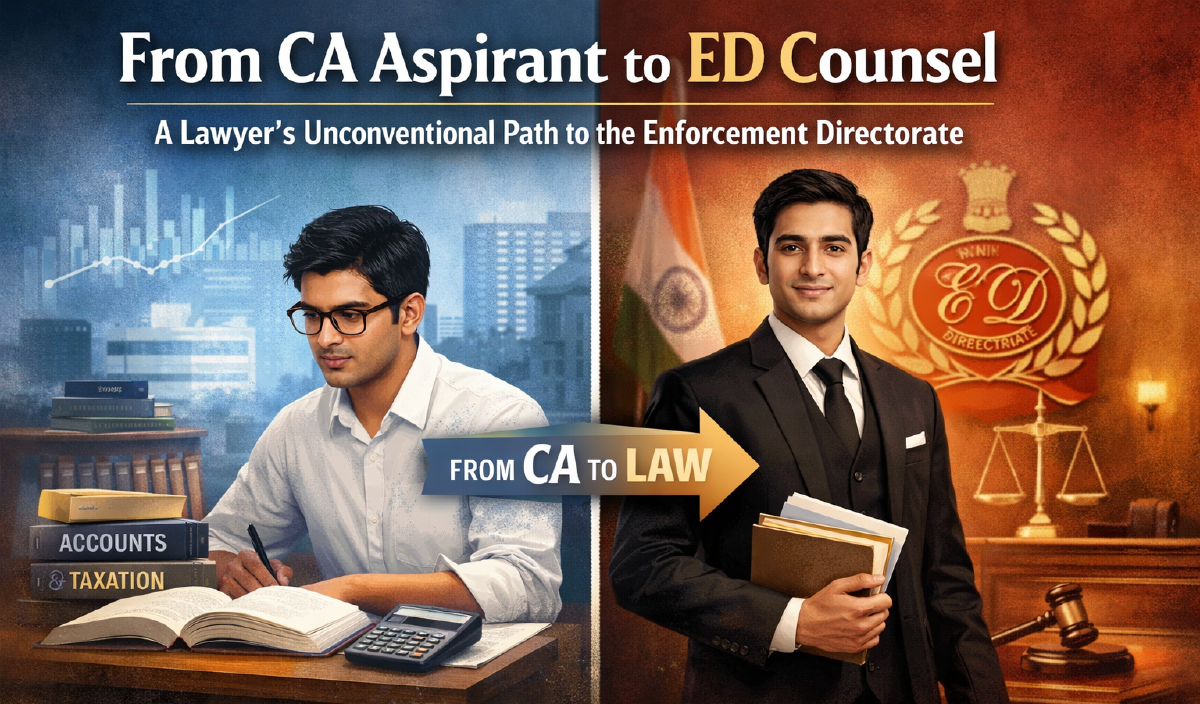
- Pre-Law Career: Was pursuing Chartered Accountancy (CA). He realized he preferred legal work over CA work.
- Experience Value: His CA background was highly beneficial, strengthening his knowledge in taxation and accounts for his legal practice.
- Early Practice: Practiced for four years at his father’s taxation firm after law school, gaining experience arguing cases.
- Advice from College: Emphasized the importance of practical knowledge gained through good internships over just bookish knowledge.
II. Joining the Enforcement Directorate (ED)#
- Motivation: Applied for a vacancy as a Legal Consultant in 2021 after encouragement from his wife.
- Selection: Went through a process involving a written test and an interview by a panel of ED officials and counsel.
- Confidence: Found motivation in being selected among thousands of applicants.
III. Work and Process at ED (PMLA)#
Core Responsibilities:
- Vetting: Checking the legal correctness of all court filings (applications, petitions, replies) for the ED.
- Legal Opinions: Providing legal counsel on next steps for investigation and complex matters.
ED Case Process:
- Prerequisite: The ED cannot initiate a case. There must first be a “Predicated Offense” (Schedule Offense) registered by another agency (State Police, CBI, etc.).
- Action: Investigation starts with steps like asset attachment and/or filing a Prosecution Complaint (charge sheet).
- Courts: PMLA cases are heard in specially nominated Special Courts.
IV. Final Advice to Young Lawyers#
- Key Traits: Work hard and be sincere.
- Confidence: Don’t let self-doubt stop you; use it to motivate continuous learning.
- Patience: Initial experiences in court can be daunting, but with practice and patience, arguing becomes normal.
- Fraternity Support: The legal community is generally supportive and helpful to young lawyers.